
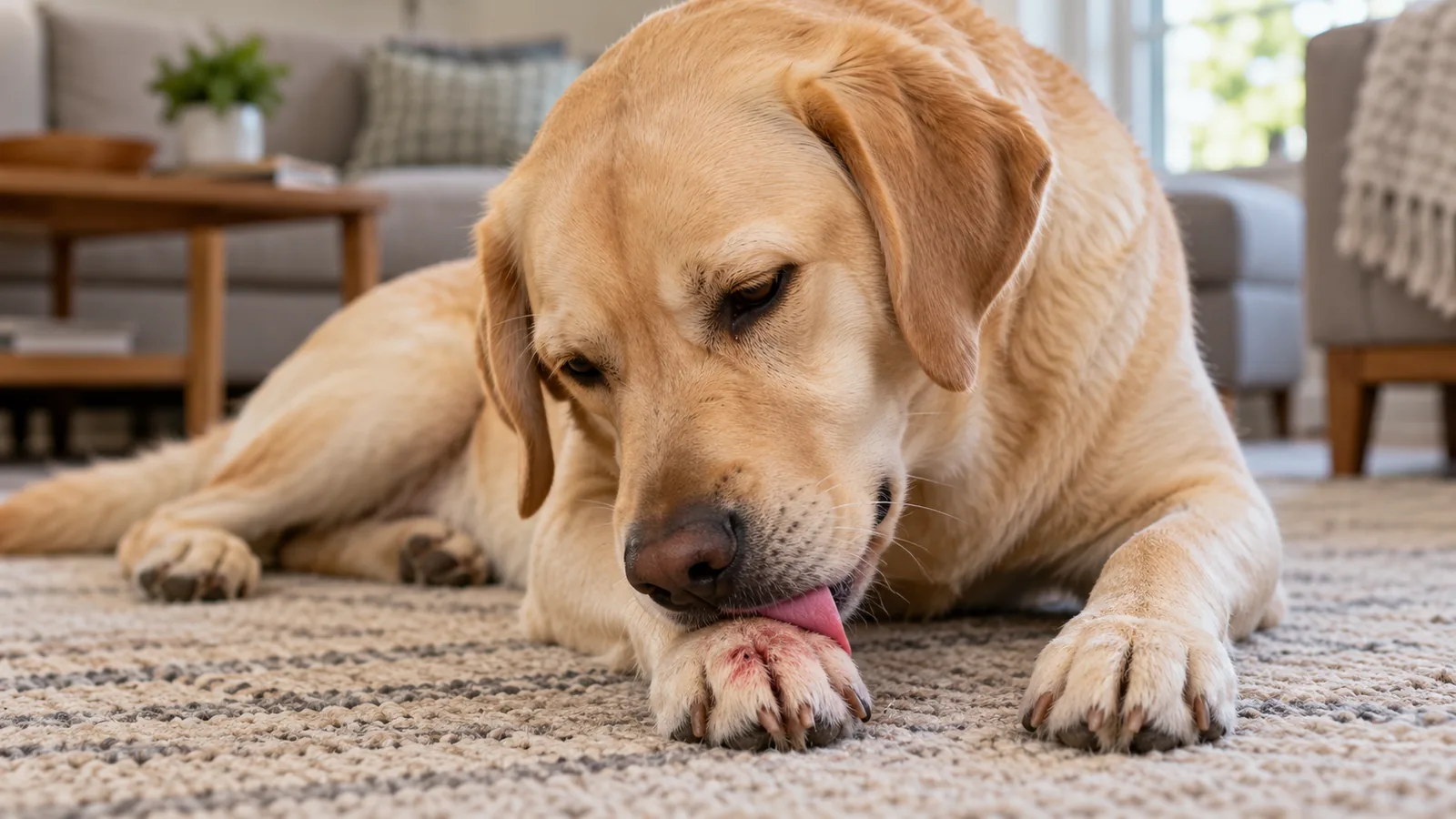
If your dog has licked their paws pink again, or your cat has quietly groomed a bald patch on their belly, you're probably wondering why the last cream or tablet didn't solve it. Good allergy care rarely comes down to one medicine. It means checking the skin for infection and parasites, keeping every pet in the house on flea treatment, using medicated shampoos and ear cleaners properly, and choosing the right itch medication for this stage of the problem. Allergies are managed rather than cured, but with the right plan most pets get comfortable and stay that way.
The Vale Veterinary Group looks after pets across Cullompton, Tiverton, Honiton and Uffculme, and our dermatology and diagnostic care is built around finding out what is driving the itch before we treat it. Our nurses will show you how to bathe, clean ears and apply treatments at home, and the monthly flea and tick cover in our Premier Paws Club takes care of one of the biggest triggers. If the scratching has dragged on for weeks, get in touch and we'll build a plan with you.
Getting On Top of Itchy Skin
- Most allergic itch comes from environmental allergens, flea bites or a food protein, and many pets have more than one at once.
- Checking the skin and ears for infection and mites comes first, because those keep a pet itching however good the allergy medication is.
- Medicated shampoos, mousses and ear cleaners do a surprising amount of the work and often reduce the need for tablets.
- Year-round flea control, a strict food trial when needed, the right medication for each stage and immunotherapy for pollen and mite allergies give most pets lasting relief.
What Causes Allergic Itch in Dogs and Cats?
Three things cause most allergic itch in dogs and cats: allergens in the environment such as pollen and dust mites, flea bites, and a protein in the food. Plenty of pets have two or three at once, and all of them produce the same scratching, licking and sore ears, so the symptoms alone rarely tell us which trigger is responsible.
Atopic dermatitis, an immune system overreacting to pollen, grasses, mould spores and house dust mites, is the most common allergic skin disease we see. Devon's mild, damp weather stretches the pollen season at both ends, and dust mites are with us all year, so what textbooks call seasonal often runs closer to year-round here.
Flea allergy dermatitis is a reaction to proteins in flea saliva, and a single bite can set off weeks of itching over the rump and tail base, long after the flea itself has gone.
Food allergy causes itching year-round and can appear at any age, even after years on the same food. The trigger is almost always a protein such as chicken, beef or dairy rather than grain.
What Does Allergic Skin Disease Look Like in Dogs and Cats?
Allergies show up differently in dogs and cats. Dogs tend to lick, chew and scratch where you can see it, especially their paws, face, ears and belly. Cats are private groomers, so the first sign is often hair loss or scabs that appear without anyone seeing the cat scratch at all.
What Should I Look for in My Dog?
Allergic dogs often have red, licked paws with brown saliva staining between the toes, inflammation known as pododermatitis. Constant licking or chewing at one spot can create a hot spot, a painful, weeping patch of infected skin that can appear almost overnight. Recurrent ear infections, called otitis externa, are another classic sign. Three ear infections in a year usually means an underlying allergy is driving them, not poor hygiene.
What Should I Look for in My Cat?
Allergic cats usually show one of three patterns:
- Overgrooming: symmetrical hair loss on the belly, inner thighs or back legs, often with the fur broken short rather than missing.
- Miliary dermatitis: tiny crusty bumps through the coat, easier to feel than to see, especially along the back and neck.
- Eosinophilic granuloma complex: raised, inflamed sores or ulcers on the lips, chin, belly or thighs, most frequently seen with flea allergies.
Why Do We Test for Infections and Parasites Before Treating Allergies?
An itchy pet often has more than one problem at once. A surface infection, mites, ringworm or a hormone problem can sit alongside a true allergy, and each needs its own treatment. Testing first stops us chasing the itch with medication that can't work, which is one of the most common reasons allergy cases stall.
- Skin cytology: A sample pressed from the skin and read under the microscope, known as skin cytology, shows whether yeast or bacteria are adding to the itch. We read these samples in our own veterinary laboratory, so treatment often starts the same day.
- Ear cytology: A swab of the ear canal tells us which yeast or bacteria are growing, which decides the right ear treatment and cleaner.
- Skin scrapes and fungal tests: Mange and ringworm can look exactly like an allergy, spread to other pets and to people, and need completely different treatment.
- Blood tests: An underactive thyroid or Cushing's disease can mimic or worsen skin disease in dogs, so we check bloods as part of routine health screening when the pattern doesn't fit a straightforward allergy.
How Does a Food Trial Work for an Itchy Pet?
A food trial is the only reliable way to diagnose a food allergy, and that food can then become the treatment. Your pet eats a single prescription diet, made with either a protein they've never eaten or a hydrolysed protein, and nothing else for eight to twelve weeks. If the itch settles and returns when the old food goes back in, food is part of the problem.
A novel protein diet uses a meat your pet has no history with, such as venison, rabbit or duck, so there is nothing for an existing allergy to recognise. A hydrolysed diet uses a familiar protein broken into pieces too small for the immune system to react to.
An elimination diet trial only works with strict compliance:
- Choose the diet with us, based on everything your pet has eaten before.
- Stop everything else, including treats, dental chews, table scraps, flavoured medications and the other pet's bowl.
- Stay the course for the full eight to twelve weeks, keeping a simple diary of itching and ear flare-ups.
- Reintroduce the old food at the end, under our guidance, to confirm the result.
Over-the-counter limited-ingredient foods aren't suitable for a trial, because traces of other proteins from shared manufacturing can keep a food-allergic pet itching. Blood, hair and saliva tests for food allergy aren't accurate either, however convincing the results look.
Does My Pet Need Flea Treatment if They Don't Have a Flea Allergy?
Yes. Allergic skin reacts far more strongly to a flea bite than healthy skin does, so even a pet allergic to pollen or food gets worse when fleas join in. Every dog and cat in the household needs consistent, year-round cover, because one untreated pet keeps fleas in the home for everyone else.
Year-round parasite prevention matters especially here, since a mild winter in Cullompton or Honiton rarely gets cold enough to clear fleas out of a centrally heated house. A clean comb-through doesn't rule fleas out, because allergic pets often groom away the evidence and it only takes one flea to set off a reaction. The Premier Paws Club includes monthly flea and tick treatment, which keeps cover consistent without having to remember to buy it.
Why Are Medicated Shampoos and Ear Cleaners So Important?
Topical therapy is one of the most important parts of allergy care, not an optional extra. Used regularly, medicated washes, mousses and ear cleaners remove allergens from the coat, treat yeast and bacteria on the skin, soothe the itch and help repair the skin barrier. Many pets need less medication by mouth once a good topical routine is in place.
Topical therapy for allergic skin works best when it's targeted and consistent:
- Medicated shampoo: Leave it on the skin for at least ten minutes before rinsing with lukewarm water, which feels much longer than it is, so set a timer.
- Mousses, sprays and wipes: These treat problem spots between baths and suit cats who won't tolerate a wash.
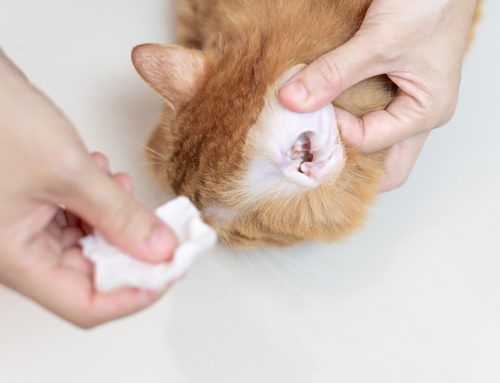
- Ear cleaning: Allergic ears need regular cleaning to prevent flare-ups, not just treatment when they're already sore.
Pay special attention to facial folds, the feet and the gaps between the toes, where yeast and bacteria thrive. The right products depend on what the cytology shows and on your pet's coat and skin. Our team will recommend specific products and show you the technique, and nurse clinics are a good place to practise ear cleaning before you try it at home.
Which Medications Help Control Allergy Itch?
Several types of medication control allergic itch, and most allergic pets use more than one at different points as symptoms flare and settle. Fast-acting options calm a bad flare, longer-acting ones hold the itch down over months, and the licensed choices differ between dogs and cats. Our small animal vets will match the treatment to your pet.
| Option | How fast it works | Best suited to |
| JAK inhibitors (Apoquel, Zenrelia, Numelvi) | Within hours | Fast relief and daily control in dogs, some cats off-label |
| Antibody injections (Cytopoint and newer versions) | About a day | Long-term control in dogs only |
| Ciclosporin (Atopica) | Several weeks | Steady long-term control in dogs and cats |
| Steroids | Within hours | A short bridge through a severe flare, dogs and cats |
| Antihistamines | Variable | Mild cases, or as an add-on for some pets |
How Do JAK Inhibitors Work?
JAK inhibitors such as oclacitinib (Apoquel), ilunocitinib (Zenrelia) and atinvicitinib (Numelvi) are daily tablets that block the signals driving itch and inflammation. A dog who spent the night scratching is often noticeably calmer within hours. We monitor with periodic blood tests during long-term use.
What About Cytopoint and the Newer Antibody Injections?
Cytopoint is an antibody injection that blocks the main itch-signalling protein. It's licensed for dogs only and usually given every four to eight weeks. Because it isn't processed by the liver or kidneys, it suits older dogs already taking other medication.
Newer antibody injections last even longer. Befrena offers at least six to eight weeks of relief, and Cytopoint Plus lasts at least 75 days. Every dog responds differently, though, and the severity of their symptoms affects how long each injection holds, so we'll adjust the timing to your dog.
When Is Ciclosporin the Right Choice?
Ciclosporin modulates the immune system to calm the allergic response. It builds to full effect over several weeks, so it's often started alongside a faster medication, which is then tapered. It's licensed for cats as well as dogs, which makes it a common choice for allergic cats.
Do Steroids and Antihistamines Still Have a Place?
Steroids such as prednisolone can take a frantic, inflamed pet to comfortable within a day, which makes them excellent for short, severe flares. They're no longer the default for long-term control because of side effects like increased thirst, hunger, behaviour changes, and increased risks of disease like diabetes, especially in cats.
Antihistamines help a subset of pets, but never give a human allergy tablet without asking us first, since combination products can contain decongestants that are dangerous for dogs and cats. Most pets don’t get good relief from antihistamines, but they are helpful for a smaller percentage of pets and are worth trying.
What Can I Do at Home to Help My Allergic Pet?
A few simple habits reduce the allergen load on your pet's skin and support the skin barrier, and they make every other part of the plan work better. Wiping, washing and good nutrition won't replace treatment, but they help keep flare-ups smaller and less frequent.
Allergy management at home starts with removing allergens before they cause trouble. Wipe your pet's paws, face and belly after walks in long grass or on high-pollen days, so pollen isn't licked off or absorbed through the skin. Wash bedding weekly in hot water, vacuum regularly, and consider a HEPA air filter in the room where your pet sleeps.
Omega-3 fatty acids from fish oil support the skin barrier and help reduce inflammation over time. Allergy supplements vary widely in quality, and many multi-ingredient products contain too little of the active ingredient to help, so ask us about the product and dose before you buy.
Can My Pet's Allergies Ever Be Cured?
Allergies are controlled rather than cured, but two approaches go after the cause instead of the symptoms. A food trial and a prescription diet can remove a food trigger completely, and immunotherapy can retrain the immune system to stop overreacting to pollen and dust mites. Both take time, and both can reduce how much medication your pet needs long term.
How Does Allergy Testing and Immunotherapy Work?
Allergy testing, either an intradermal skin test or a blood test, identifies which environmental allergens your pet reacts to. Those results are used to make a customised immunotherapy treatment, given as injections or as drops under the tongue, that gradually desensitises the immune system over 12 to 18 months. It's a long-term commitment, but up to 80% of patients get relief from their symptoms. Avoid hair and saliva allergy tests sold directly to the public, which aren't reliable.
Questions We Hear About Allergy Care
My dog has been on steroids for years. Is there a better option now?
It's well worth asking about. Dogs started on daily steroids before the newer treatments existed often do just as well on something gentler on the body. The switch needs planning, with the steroid tapered while the new treatment takes effect, because stopping steroids suddenly can make a dog seriously unwell.
Are there good options for allergic cats?
Cats have fewer licensed options, but they're far from stuck. Ciclosporin is licensed for cats, cats generally handle steroids better than dogs, and rigorous flea control plus topical care does a great deal of the work. Some treatments are used off licence when a case justifies it, which we'd always discuss with you first.
How long before the scratching settles?
It depends on the treatment. JAK inhibitors work within hours, antibody injections within about a day, and ciclosporin and immunotherapy over weeks to months. A skin or ear infection needs its own treatment time as well, so your pet can be improving steadily and still look itchy for a fortnight.
When is itching an emergency?
Ongoing itching is an appointment, not an emergency. Sudden facial swelling, hives spreading across the body, vomiting or difficulty breathing after a sting or a new medication needs a vet straight away, and registered clients can reach us at any hour through their nearest Vale centre.
Building an Itch Plan That Holds Up Through the Seasons
Good allergy care is a plan we review rather than set once, stepped up through the worst of the pollen season and eased back when the skin is calm. It gets sharper the longer we know your pet, because we can compare this spring with the last one instead of guessing. If the scratching has taken over your household, or a plan that used to work has stopped helping, book an appointment with The Vale Veterinary Group and we'll pick it up from where it stalled.





Leave A Comment