
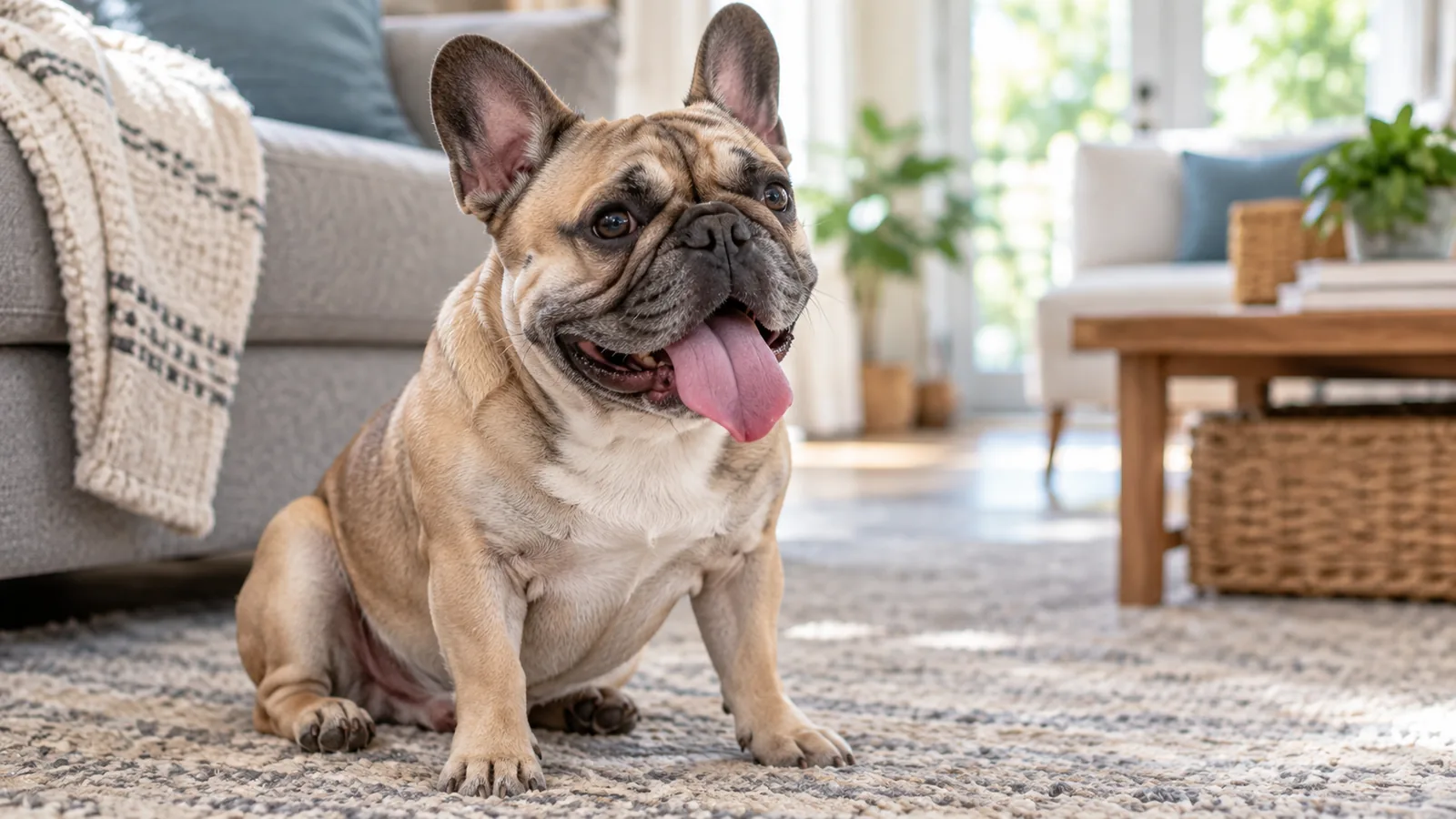
Trouble breathing cannot wait until morning, and a dog or cat who is fighting for air needs to be seen tonight. A flat-faced dog whose snoring has turned into a strained rasp has less usable airway than they had last week. A cat sitting with its mouth open has almost run out of ways to compensate, and an older dog who will not settle at night may have fluid gathering in the lungs. Ring us first, before you try to judge how bad it is, and describe what you can see without touching or restraining your pet: how fast the chest moves at rest, any blue tinge to the tongue or gums, whether a cough brings up froth.
Watching your pet struggle to breathe is frightening, and it is not something to sit with alone. The Vale Veterinary Group looks after pets across Devon from our four centres in Cullompton, Tiverton, Honiton and Uffculme, using chest imaging and ultrasound scanning, alongside blood testing, to tell whether the problem sits in the airway, the lungs or the heart. Our vets cover emergencies around the clock at our own premises for registered clients, so if your pet is in distress at 3am, they are seen by people who already know them. If your pet's breathing looks wrong, call us now.
Breathing Trouble: What to Check Tonight
- Breathing that's fast, laboured or noisy while your pet is resting is an emergency in both dogs and cats.
- Most healthy dogs and cats take fewer than 30 breaths a minute at rest, and counting breaths at home is a habit worth building.
- The noise itself is a clue: a honking cough points at the windpipe, a wheeze at the small airways deep in the lungs, and a harsh sawing noise on the way in at the throat.
- While you're getting ready to travel, keep everything quiet, give no human medicine of any kind, and ring ahead so we're expecting you.
What Do Different Breathing Sounds Mean in Dogs and Cats?
The noise tells us roughly where the trouble sits, and that's the reason we ask you to describe it on the phone. Wet, rattly sounds usually come from deep in the lungs, while snorting and snuffling belong to the nose and soft palate.
Which Coughs Need a Phone Call?
Most coughs fall into a handful of patterns, and the sound, plus who is doing the coughing, narrows things down fast.
- A dry, goose-like honk in a small breed usually traces back to tracheal collapse, where the windpipe flattens as air is pulled through it. Weight control, harness walking and medication carry most of these dogs a long way before anyone mentions stents.
- A wet, gurgling hack means fluid sitting in the lower airways, from pneumonia or from a heart that's struggling to keep up.
- A brand-new cough in a dog over seven, especially at night or after a gentle walk, belongs on the list of signs of heart disease rather than the list of things to put down to age.
- A harsh, hacking cough in a young dog who's been mixing at kennels, training classes and the park is kennel cough more often than not, and it sounds far worse than the patient looks. Puppy vaccinations protect against the main culprits in that mix.
- Coughing alongside poor stamina or unexplained bruising should raise the question of lungworm (Angiostrongylus vasorum) here in Devon, where dogs pick it up from slugs, snails and the slime trails left on garden toys.
- Sudden, violent spluttering in a pet who's also fighting for air points to something inhaled, such as a grass seed or a fragment of chew, and needs seeing straight away.
The odd splutter after gulping water is nothing. A cough that's still there after two days, or one that leaves your dog flat and tired, is worth a phone call.
Sneezing, Streaming Eyes and a Nose That Runs on One Side
Repeated sneezing with a runny nose and weepy eyes in a cat usually means an upper respiratory infection, which moves easily between cats in multi-cat homes, catteries and rescue settings. Cat flu hits kittens hardest, and their first weeks at home are the right time for kitten checks and their first vaccinations. In dogs, a violent fit of sneezing during a walk through long grass in early summer often means a seed has gone up one nostril, and those need retrieving rather than waiting out. Ring us the same day for a nosebleed, thick green or bloody discharge, a nose that runs on one side only, or any swelling over the muzzle or under an eye.
Whistles, Wheezes and the Sawing Noise on the Way In
A wheeze is a high whistling made by air squeezing through narrowed tubes, and in cats the usual culprit is feline asthma, inflammation that narrows the small airways deep in the lungs. Picture a cat hunched on the kitchen floor with the neck stretched out, heaving through what looks for all the world like a hairball that never arrives: that's an asthma attack, not a furball. When that whistle arrives within minutes alongside facial swelling, hives, vomiting or collapse, you're looking at a severe allergic reaction, and anaphylaxis needs emergency treatment rather than a tablet from the medicine cupboard.
Stridor is the loud, sawing noise made on the way in when the throat or voice box narrows. A bark that has changed pitch and a Labrador who struggles on a warm afternoon point to laryngeal paralysis, where the cartilages at the entrance to the windpipe stop opening properly. Stertor is the snuffly, snoring version of that noise, and it's the everyday soundtrack in short-nosed breeds. Heat, excitement and extra weight all make it worse, which is how a warm afternoon or a long car journey tips a Bulldog from noisy into distressed.
Louder Snoring and the Reverse Sneeze
Reverse sneezing is that alarming honking, head-out, elbows-braced episode plenty of small dogs have a few times a year, and a one-off that settles within a minute is usually harmless. Frequent or drawn-out bouts need a proper look at the nose and the back of the throat. Snoring that has grown louder, gasping in the night and a flat-faced dog who cannot settle to sleep are the everyday face of brachycephalic obstructive airway syndrome, where narrow nostrils and a long soft palate turn every breath into work. Cats rarely snore. One who's started rattling at night, breathing through a single nostril or swallowing repeatedly may have a nasopharyngeal polyp sitting behind the soft palate.
If a noise is new, louder than last month, or arriving with tiredness and a poor appetite, don't sit on it.
Why Is My Pet Breathing Fast While Resting?
Fast breathing in a pet who's asleep or lying quietly is one of the earliest warnings you'll get. Most dogs and cats take fewer than 30 breaths a minute at rest. A rate that stays higher than that, or creeps up week on week, points towards the heart, the lungs, or the space around them.
Panting isn't the same thing. A dog who's been running or sitting in the sun pants with a loose, relaxed mouth and stops when they choose to. A pet in trouble can't stop, even at rest in a cool place.
How Does Heart Disease Put Fluid in the Lungs?
When the heart can no longer keep fluid moving forward, it backs up into and around the lungs, and treatment for congestive heart failure aims to clear that fluid and ease the load on a tiring heart. The two species look nothing alike when it happens. Many dogs cough overnight, run out of steam halfway round a familiar walk and sleep propped upright. Cats rarely cough at all, and instead go quiet, hide under the bed and simply move air faster, which is easy to miss until it's advanced. If your pet has a murmur or a diagnosed heart condition, counting resting breaths once or twice a week gives us a real number to track, and our nursing team can show you how in a few minutes.
Cancer, Fluid and Masses in the Chest
Some forms of cancer begin as a breathing change rather than a lump, by seeding into lung tissue, filling the chest with fluid or pressing on an airway from outside. Fluid collecting around the lungs, called pleural effusion, leaves them less room to expand, and chylothorax is one version of that, where lymphatic fluid leaks into the chest and often needs draining more than once. A pet who sits upright through the night and refuses to lie down is worth ringing us about, because lying flat adds pressure to lungs that are already squeezed.
Can Breathing Trouble Start After an Accident?
Chest injuries hide well. Blood can collect in the chest in the hours after a road traffic accident or a fall, and haemothorax squeezes the lungs from the outside even when the skin over the ribs looks untouched. Bruised lung tissue, cracked ribs and air leaking into the chest cavity (pneumothorax) follow the same pattern: a patient who seemed fine at the roadside and is working visibly harder two hours later. Any pet who's been hit, dropped, crushed or picked up by a bigger dog needs examining and watching, and our emergency and surgical care covers the injuries that declare themselves late.
When Is Trouble Breathing an Emergency?
Some breathing changes can wait for a morning appointment, and these cannot: open-mouth breathing in a cat, gums that look pale, grey or blue, and a pet standing with elbows held away from the body are all respiratory distress, which means a phone call now rather than an appointment tomorrow.
| What you're seeing | What it may mean | What to do |
| A cat breathing with an open mouth, or a dog whose sides heave at rest | The lungs, or the space around them, are compromised | Come straight in, whatever the hour |
| Pale, grey or blue gums, sudden collapse, or a pet too flat to lift their head | Oxygen isn't reaching the tissues | Treat as an emergency tonight |
| A cough past 48 hours with tiredness, poor appetite or a temperature above 39.2°C | Pneumonia, lungworm or a heart problem | Call us that day |
| Thick green or bloody nasal discharge, or a sudden nosebleed | Infection, a foreign body, or a clotting problem | Don't leave it until next week |
| Gurgling breaths, restlessness that won't settle, refusing food | Fluid in the airways | Straight in |
| A resting rate consistently above 30 to 40 breaths a minute | Early heart failure or lung disease | Ring us before it climbs further |
While you're getting ready to travel, keep everything calm and quiet. Don't restrain your pet, don't hold the mouth open to look inside, and never give a human antihistamine, inhaler or painkiller, because several are toxic to cats in particular. Load cats into a top-opening carrier rather than pushing them through a small door, keep the car cool, and ring your nearest branch on the way so we're ready for you.
How Do Vets Work Out What's Causing Breathing Problems?
The first job isn't a test at all. It's oxygen, a dim kennel and enough time for the panic to drop. Once your pet can cope with being handled, a hands-on exam, blood work and chest imaging usually separate an airway problem from a lung problem from a heart problem.
| Step | What it involves | What it tells us |
| First look and oxygen | Breathing effort and gum colour assessed at the door, oxygen and quiet before anything else | Whether your pet is stable enough to go further |
| Hands-on exam | Listening to both sides of the chest, feeling along the windpipe, checking the mouth and throat | Roughly where in the system the trouble sits |
| Blood work | Our in-house lab for fast answers, a reference lab for the more specialised panels | Infection, anaemia, organ function, cardiac markers |
| Imaging | X-rays and ultrasound scanning at our own centres | Fluid, masses, pneumonia, heart size and shape |
| Upper airway endoscopy | A camera passed into the nose or throat under anaesthesia, carried out in-house | Foreign bodies, polyps, collapse, plus samples for cytology |
| CT scanning | Cross-sections of the nose and chest, referred to a specialist centre | Detail that plain X-rays can't show |
Dogs who have travelled through southern Europe or come into the country from abroad also need screening for heartworm, which lives in the heart and lung vessels and interferes with breathing directly. Having our in-house imaging and endoscopy means most of this happens under one roof, and we'll tell you what we're seeing as we go.
How Are Breathing Problems Treated?
Treatment follows the cause, not the noise. Inflamed airways need anti-inflammatories and bronchodilators, bacterial pneumonia needs antibiotics, a failing heart needs diuretics and cardiac medication, and an obstructed airway may need surgery.
- Medicines: Steroids settle swollen airway linings, bronchodilators open the tubes, and antibiotics handle bacterial infection. Cats with asthma often do beautifully on an inhaler given through a spacer and mask, which most take to faster than expected.
- What's in the air at home: When dust, pollen, smoke or scented sprays are part of the picture, allergy management at home carries as much weight as the medication: low-dust litter, bedding washed often, and no aerosols used anywhere near a wheezing cat.
- Procedures: Inhaled foreign bodies come out by endoscopy or surgery, and fluid pressing on the lungs is drained with a chest tap.
- Hospital care: Patients who can't hold their own stay with us on oxygen, injectable medication and fluids until the effort of breathing settles.
- Prevention: Year-round lungworm and parasite cover, vaccination against kennel cough and cat flu, and a sensible body weight take a surprising amount of load off an airway. A couple of extra kilos on a 12 kg dog is real work for a tired chest. Annual health checks pick up murmurs and early organ changes long before they cause symptoms at home.
Questions Devon Families Ask Us About Breathing Trouble
Is loud snoring just part of owning a flat-faced breed?
Noise means resistance, not personality. A Pug or French Bulldog who snores through the night, gags after meals or has to stop halfway round a warm walk is working harder for every breath than they should be, and that effort wears on the heart and the gut over the years. Many of these dogs improve enormously after surgery to widen pinched nostrils and shorten an over-long soft palate, and the results are best when it's done while they're young, before the tissues stretch.
How do I count my pet's breathing rate at home?
Wait until your pet is asleep or lying settled, not panting, dreaming or purring. Watch the chest rise and fall, count one breath for each full rise over 30 seconds, then double it. Jot the number in your phone once or twice a week, and tell us if it stays above 30 for two or three readings running, or jumps sharply over a few days.
Can I give my cat a human inhaler or an antihistamine?
Never give human medication to a cat without speaking to us first. Paracetamol is lethal to cats even in tiny amounts, and many combination antihistamine products contain decongestants that harm both species. Human inhalers use drug families we do prescribe, but the dose and the delivery are wrong for a 4 kg patient, and a cat who's already struggling needs oxygen before medicine. Ring us, and we'll tell you what to do while you travel.
Getting Help Fast When Your Pet's Breathing Changes
Working out whether you're looking at a snorting fit that's over in half a minute or a cat who has quietly used up every bit of reserve isn't your job to do alone, and nobody here will think you overreacted for ringing at 2am. The Vale Veterinary Group looks after Devon families from Cullompton, Tiverton, Honiton and Uffculme, with round-the-clock emergency cover at our own premises for registered clients. If something about the way your pet is breathing looks wrong tonight, get in touch.




Leave A Comment